Showing posts with label OUGD205. Show all posts

17.4.12

Geometry

We love geometry numbers by Estudio Iban Ramon's

14.4.12

Sleepy Grid

I have been thinking about the deconstruction of the forms and how this ties back into patterns, while researching I started to consider the psychological effects of the patterns and came across this particularly interesting design...

"This grid pattern was designed to visually stimulate healthy synapses in the brain. It is based on a visual grid that incorporates sacred geometry and golden ratios. The first study group that worked with this pattern was insomniacs. They were given the pattern and were told to look at it before they went to sleep. The individuals in the studying looked at the pattern for anywhere from 20 seconds to a minute and this produced healthy sleep patterns in 58 of the 60 participant" 

Blustin Design

I have done an extended post about this work on my PPD as it was far more relevant to my personal progression. But it is a lovely example of how designers utilise details - the different references to building materials as relevant imagery for projects. I will continue to develop my patterns to see where the work takes me.


13.4.12

Greyboard Bind

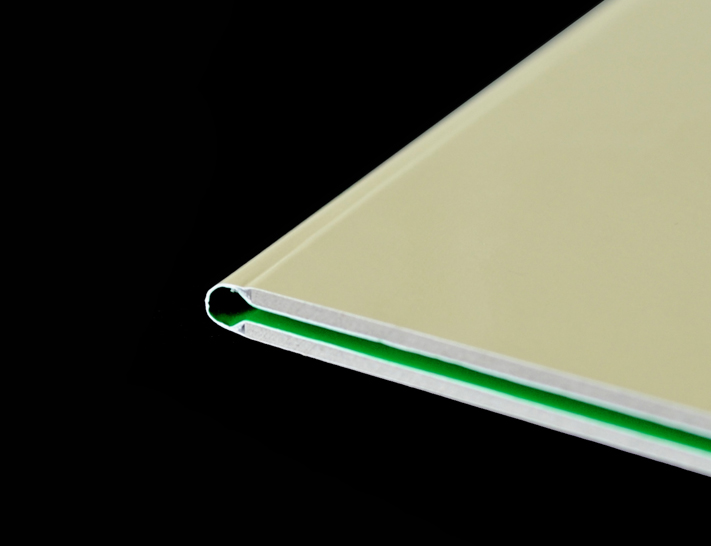
Design by OK-RM
Not really related to this project, but thinking back to the effort of binding grey board this is a far better option. Particularly impressive print / colour quality, but irrelevant to me at the minute.


Photographers approach

Taken from a variety of sources
I have started to consider and research how photographers use these structures to create patterns and how I could utilise these techniques when recreating / documenting my own industrial forms. These examples show how using different camera angles and cropping sections down / or moving right away can have a huge effect on the overall impact of the images. All the images have some industrial reference but not particularly in the direction of my own words.

Intermodular Distortion

Not exactly sure what the content of these posters is about, all I know is that its roughly about sound distortion when producing / creating music. I defiantly want to carry on exploring this next year (relationship between sound / visuals) but for the moment I can defiantly take a significant amount of inspiration from the visuals created in this project.


12.4.12

The geometry of Geology

Bosco Studio

Identity by BOSCO studio
Again this identity utilises the beautiful compositions that simple geometric black and white design can offer. I feel this has more impact than the previous post but the attention to detail was less on point. Unfortunately there is little to no information on the context of the projects but still a nice approach to take into account. I have come across a few other projects utilising what I have been studying so my next post will be slightly more conclusive of where I am heading.


Paramount

Branding and identity for paramount, this project uses similar principles to what I am aiming for in my own project. Using influences from different structures and forms this identity uses simple patterns and different shaped half tones to create some beautiful designs. I find branding a particularly interesting area through researching the company and deciding on appropriate visuals and imagery, defiantly something I want to pick up on through my PPD.
Source


Generators of Structure

The Formal Generators of Structure, Drawings by Gordon Crabtree, 1965-1968
Finding it particularly hard to find any real context behind this but it is this exploration of form and altering existing forms to provide alternative meanings and visuals. I like the project on a whole but would have liked to see it more in context rather than simple JPEG's, which do very little justice to the hand drawn pieces. I also want to start exploring some hand drawn recreations to move away from the computer screen.

Samples

Some research imagery I have been using to develop the content of the project.

11.4.12

Moscow Design Meseum

This visuals in this project are similar to the approach I have been taking so far, based on old Moscovian glass patterns. Love the overall impact of the project, I aim to develop my visuals into something more than just a study of form. I also think I am going to develop my visuals towards my own branding, using the patterns etc for the back of business card designs (will continue through my PPD)


10.4.12

These are Patterns

This essentially is the stage I want to end up with, a set of process orientated pattern designs. To possibly push the idea furthur I could consider producing wall paper or at least proposing it. These patterns were created using a simple processing sketch that exploits repetition and randomness to produce a variety of effects using a limited set of lines. Design by Roberto


9.4.12

Kinetica 2012

Some samples from the Kinetica 2012 Event taken from m8robertos flickr, again its this repetition of patterns and textures that I need to reflect in my own visual development of the industrial forms. Also considering other techniques of recording imagery is something I need for focus on. Particularly like the last image of the type and the vibrancy of the colours throughout each one.


7.4.12

Technical Drawings

After taking a more visual approach into my study of industrial geometry some more technical information seemed appropriate. This PDF includes extracts from a 300 page document about the technical aspects involved in drain, why the grates are in certain directions etc.


It has some really simple yet interesting imagery, I am moving slightly away from my original idea but I want to get a greater basis for my concept to develop.
 Looking at these equations could be an interesting route to take, I will continue reading through the original document and expanding my knowledge into the subject.

More examples of the styles of grates out there,  the focus of the project is heading towards getting people to notice unforgotten geometric beauty.

5.4.12

Anne Tyng

Finally starting to work out how my concept will eventually come into play alongside the experiments I have been working on. This book / installation is created by Anne Tyng, I found this quote particularly relevant with my recent progression towards pattern / geometric experimentation using industrial, and normally unnoticed pieces of functional design - drains, gutters, 

"Tyng has applied natural and numeric systems to built forms on all scales, from urban plans to domestic spaces. She believes that geometry is a metaphor for thought and the creative process -- as a spatial demonstration of how the mind generates associations through the combination of pattern and chance."


Vinyl Waves

Don't particularly like the song but this I love the concept, found initially on the CR website but they have done some other really amazing videos, I could think about using motion graphics to explore the shapes / patterns I have been creating in response to my research into storm drains.

4.4.12

Drawing Apparatus

Going off in a bit of a random direction with this post but it was to impressive not to blog. Wonderfully simple concept with some beautiful results, I could think about recreating the industrial forms in a more mechanical way...

Techincal Research

With my initial thoughts being that all covers that you see on the floor are manhole covers (sewage orientated) I have now discovered that the different shapes and sizes provide completely different uses. This post is a summary of each type, explaining the functional forms of each, also briefly mentioning the materials used to make each one, I will go out and start taking photos and see if I can define which is which using this research.

Coal Hole
A coal hole is a hatch in the pavement above an underground coal bunker. They are sometimes found outside houses that existed during the period when coal was widely used for domestic heating from the early 19th century to the middle 20th century. In Britain they became largely redundant within the major cities of the UK when the Clean Air Act forced a move towards oil and gas for home heating.

The hatch is typically about 12 to 14 inches (30 to 35 cm) in diameter and consists of a cast iron ring set into the pavement, with a circular cover, often made of cast iron alone but sometimes containing concrete or glass panes or small ventilation holes. There are three main reasons for the circular shape of the coal hole plate: a circular disc can not accidentally fall through its own hole (unlike a square or rectangular one); its weight means that it can be rolled rather than carried or lifted; and the absence of corners allows for a reduced risk of damage to it.

Storm Drain (Grated Inlet)
There are two main types of storm-water drain (storm sewer) inlets; side inlets and grated inlets. Side inlets are located adjacent to the curb (kerb) and rely on the ability of the opening under the backstone or lintel to capture flow. They are usually depressed at the invert of the channel to improve capture capacity.Grated inlets have gratings or grids to prevent large objects and debris from falling into the sewer system. However, their bars are fairly widely spaced so that the flow of water is not impeded. Consequently, many small objects can fall through.


Manhole Cover
A manhole cover is a removable plate forming the lid over the opening of a manhole, to prevent anyone from falling in and to keep unauthorized persons out.

Manhole covers usually weigh more than 50 kg, partly because the weight keeps them in place when traffic passes over them, and partly because they are often made out of cast iron, sometimes with in fills of concrete. This makes them inexpensive, strong, and heavy. A manhole cover sits on metal base, with a smaller inset rim which fits the cover. The base and cover are sometimes called "castings," because they are made by a casting process.